









Accounting Challenges Faced by Malaysian Wholesalers - And How Integrated Ordering Systems Solve Them
This article explores the accounting challenges commonly faced by Malaysian wholesalers, explains why these issues persist even when accounting software is already in place, and examines how integrated ordering systems connected to accounting platforms can fundamentally improve financial control and operational efficiency.

Published 19 December 2025
In this article, you will learn about
1. System Requirements & Preparation
2. Installing SQL Accounting Software
3. Creating a New Company Profile
4. Setting Up Core Accounting Structure
5. Configuring Inventory (Optional)
6. Inputting Opening Balances
7. Daily Operations Overview
8. Maintenance Tips & Best Practices
In this article, you will learn about
1. Why Accounting Has Become a Strategic Issue for Wholesalers
2. Understanding the Wholesale Business Model in Malaysia
3. The Current Accounting Landscape for Malaysian Wholesalers
4. Common Accounting Challenges Faced by Wholesalers in Malaysia
5. Why Traditional Accounting Systems Alone Are Not Enough
6. The Role of Integrated Ordering Systems in Wholesale Accounting
7. Key Benefits of Integrating Ordering Systems with Accounting Software
8. What Wholesalers Should Look for in an Integrated System
9. How Integration Supports Long-Term Business Growth
10. Common Misconceptions About Accounting Integration
11. Is Now the Right Time to Invest in Integration?
12. Building a Strong Accounting Foundation for the Future
For many wholesalers in Malaysia, accounting has traditionally been treated as a back-office necessity rather than a strategic function. As long as invoices were issued, taxes were paid, and financial statements were prepared at year-end, accounting was seen as something that simply needed to be “done correctly.”
This mindset is increasingly no longer sufficient.
Wholesale businesses today operate in a far more demanding environment. Product ranges are larger, order volumes are higher, pricing structures are more complex, and customers expect faster responses and greater accuracy. At the same time, business owners face rising cost pressures, tighter margins, and increasing regulatory expectations.
In this context, accounting accuracy, timeliness, and reliability directly affect a wholesaler’s ability to control cash flow, manage credit risk, enforce pricing discipline, and scale operations sustainably. Accounting is no longer just about compliance, it has become a core operational concern.
Understanding the Wholesale Business Model in Malaysia
To understand why accounting challenges are particularly acute for wholesalers, it is important to consider the nature of wholesale operations in Malaysia.
Most wholesalers operate as SMEs and share several defining characteristics:
• High transaction volumes with relatively thin margins
• Large and diverse product catalogs
• Customer-specific pricing, promotions, and discount structures
• Credit-based sales with varying payment terms
• Frequent inventory movement across locations
Unlike retail businesses that rely heavily on cash transactions and standardized pricing, wholesalers must carefully manage credit exposure, inventory valuation, and pricing consistency across customers and channels.
These operational realities place unique demands on accounting processes, demands that many traditional setups struggle to meet.
The Current Accounting Landscape for Malaysian Wholesalers
Most wholesalers in Malaysia already use accounting software for invoicing, bookkeeping, and tax compliance. On paper, this suggests that accounting should be under control.
In practice, however, many wholesalers continue to experience recurring problems such as:
• Frequent reconciliation discrepancies
• Delayed or incomplete financial reports
• Inconsistent data between sales, inventory, and accounts
• Heavy dependence on manual data entry
These issues often persist not because the accounting software is inadequate, but because accounting systems operate in isolation from daily sales activities.
Common Accounting Challenges Faced by Wholesalers in Malaysia
1. Manual Order Capture and Repetitive Data Entry
A significant number of wholesalers still rely on informal channels to receive orders, including WhatsApp messages, phone calls, emails, or handwritten notes from sales representatives.
Once orders are received, administrative or finance staff must manually re-enter the same information into accounting systems to generate invoices and update financial records.
This process introduces multiple risks:
• Incorrect quantities or product selections
• Pricing errors due to outdated price lists
• Duplicate or missing entries
• Delays between order placement and invoicing
Over time, repetitive manual data entry increases costs, slows operations, and undermines accounting accuracy.
2. Inconsistent Data Across Sales, Inventory, and Accounting
When sales orders, inventory management, and accounting records are maintained in separate systems, inconsistencies become unavoidable.
Sales teams, warehouse staff, and finance teams often work from different data sources that are not synchronized in real time. As a result:
• Inventory balances may not match accounting records
• Sales reports differ depending on the source
• Month-end reconciliation becomes time-consuming and stressful
For wholesalers managing hundreds or thousands of SKUs, these inconsistencies create operational friction and reduce confidence in financial data.
3. Delayed Financial Visibility
Many wholesalers update accounting records only periodically, weekly or monthly rather than in real time. As a result, business owners often make decisions based on outdated information.
This lack of timely visibility affects:
• Cash flow forecasting
• Purchasing and inventory planning
• Pricing and discount decisions
• Early identification of financial risks
Without accurate, up-to-date data, wholesalers may unknowingly overextend credit or carry excessive inventory.
4. Credit Control and Accounts Receivable Risk
Credit sales are fundamental to wholesale operations, but they also introduce significant financial risk.
Without proper integration between ordering systems and accounting records:
• Credit limits may not be enforced consistently
• Outstanding balances may not be visible at the point of order
• Overdue accounts may not receive timely follow-up
Weak credit control can quickly lead to cash flow shortages, even when sales volumes appear healthy.
5. Compliance Pressure and Audit Challenges
Wholesalers in Malaysia must comply with accounting standards, tax regulations, and in some cases, statutory audit requirements.
When accounting data is fragmented or inconsistent, compliance activities become unnecessarily complex. Finance teams often spend excessive time reconciling records instead of focusing on analysis, controls, and planning.
Why Traditional Accounting Systems Alone Are Not Enough
Accounting systems are designed primarily for financial recording and reporting. While they are essential, they are not built to manage high-volume order processing or real-time operational workflows.
Traditional accounting systems:
• Depend on manual or delayed data entry
• Do not enforce pricing or credit rules at the point of sale
• Offer limited operational visibility
As a result, accounting becomes reactive rather than proactive.
The underlying issue is not the accounting system itself, but the lack of integration between sales operations and accounting records.
The Role of Integrated Ordering Systems in Wholesale Accounting
What Is an Integrated Ordering System?
An integrated wholesale ordering system allows orders to be captured digitally and automatically synchronized with the accounting system.
Instead of transferring data manually between systems, integration creates a continuous, structured flow of accurate information from order creation to financial reporting.
How Order-to-Accounting Integration Works
In an integrated environment:
1. Orders are placed digitally through a structured ordering platform
2. Pricing, discounts, and credit rules are validated automatically
3. Approved orders generate invoices without re-entry
4. Sales data synchronizes directly with accounting records
5. Inventory and receivables update in near real time
This approach eliminates duplication and ensures consistency across systems.
See a Better Way to Handle Orders & Accounting
Quickly understand how wholesalers reduce errors and regain control by connecting sales and accounting systems.
Key Benefits of Integrating Ordering Systems with Accounting Software
1. Reduced Errors and Improved Accuracy
Structured digital ordering significantly reduces manual mistakes. Pricing, quantities, and customer data remain consistent across systems, improving overall data reliability.
2. Faster Month-End and Year-End Closing
With transactions recorded accurately throughout the month, reconciliation becomes simpler. Finance teams can close accounts faster and with greater confidence.
3. Real-Time Financial Visibility
Integrated systems provide up-to-date insights into:
• Sales performance
• Outstanding receivables
• Inventory valuation
• Cash flow position
This enables more informed and timely decision-making.
4. Stronger Pricing Discipline
Pricing rules and approval workflows can be enforced at the point of order, reducing unauthorized discounts and protecting margins.
5. Improved Credit Control
Credit exposure can be monitored before orders are approved, reducing the risk of overdue balances and bad debts.
What Wholesalers Should Look for in an Integrated System
When evaluating integrated ordering and accounting solutions, wholesalers should assess whether the system:
• Reduces order errors through structured input
• Enforces pricing and approval controls
• Provides real-time access to sales, stock, and receivables
• Integrates with commonly used accounting software in Malaysia
• Supports offline ordering for mobile sales teams
These criteria focus on operational outcomes rather than software features.
Industry Practice: How Malaysian Wholesalers Address These Challenges
In practice, many Malaysian wholesalers adopt sales ordering systems that integrate directly with their accounting platforms to address long-standing accounting inefficiencies.
For example, SalesHero is a sales force automation platform used by wholesalers and distributors in Malaysia to digitize order taking while synchronizing data with accounting systems commonly used by SMEs. This approach reduces manual work and improves financial consistency without increasing administrative workload.
Get a demo of an Integrated Ordering & Accounting Setup
How order data, pricing controls, and accounting records remain aligned across systems.
How Integration Supports Long-Term Business Growth
Integrated systems do more than solve immediate accounting issues - they support sustainable growth.
With accurate, timely data, wholesalers can:
• Identify profitable products and customers
• Optimize inventory levels
• Improve pricing strategies
• Scale operations without increasing headcount
As complexity increases, integration allows businesses to maintain control rather than rely on manual workarounds.
Common Misconceptions About Accounting Integration
Some wholesalers delay adoption due to misconceptions such as:
• “Our business is too small for integration”
• “Manual processes are cheaper”
• “Integration is too complex to manage”
In reality, SMEs often benefit the most from integration because it reduces inefficiencies and prevents costly mistakes early.
Is Now the Right Time to Invest in Integration
As competition intensifies and margins tighten, wholesalers relying on disconnected systems face increasing operational and financial risk.
Integrated ordering and accounting systems help businesses:
• Reduce friction between departments
• Improve financial accuracy and control
• Strengthen cash flow management
• Prepare for future growth
Building a Strong Accounting Foundation for the Future
The accounting challenges faced by Malaysian wholesalers are rarely caused by lack of effort or discipline. More often, they stem from systems that were never designed to work together.
By integrating ordering processes with accounting systems, wholesalers can eliminate data silos, reduce errors, and gain real-time financial visibility. This transformation allows accounting to function as a strategic asset rather than a reactive necessity.
For wholesalers operating in an increasingly complex and competitive environment, integration is no longer optional, it is becoming essential.
Learn More About Integrated Sales & Accounting Systems
Designed for wholesalers seeking fewer errors, clearer records, and a more manageable sales process.
FAQs
If I already use accounting software, why do accounting issues still occur?
Accounting software is designed primarily for financial recording and compliance, not for managing daily sales operations. When orders are captured manually or through disconnected channels, accounting systems rely on delayed or manually entered data.
This disconnect between sales operations and accounting records is the main reason issues such as reconciliation errors, delayed reporting, and inaccurate inventory valuation continue to occur.
How does system integration reduce accounting errors for wholesalers?
Integrated systems reduce accounting errors by eliminating repetitive manual data entry. Orders are captured digitally using structured formats, which minimizes mistakes in quantities, pricing, and customer details.
Because data is synchronized automatically across systems, the risk of duplicate entries or missing transactions is significantly reduced.
Can integrated systems work with accounting software commonly used in Malaysia?
Many integrated ordering solutions are designed to work with accounting software widely used by Malaysian SMEs. Compatibility with existing systems is an important factor to evaluate before implementation to ensure a smooth transition and minimal disruption.
How does integration support long-term business growth?
Integrated systems provide accurate, real-time data that supports better decision-making. With clearer insights into sales, inventory, and cash flow, wholesalers can plan expansion, optimize pricing, and manage risk more effectively.
As order volumes increase, integration allows businesses to scale without proportional increases in administrative workload.
Chris Business Solution Sdn Bhd (1118226-W)
© Copyright 2025. Chirs Business Solution Sdn Bhd. All rights reserved.
About
Solutions
Others
Resources
Connect With Us
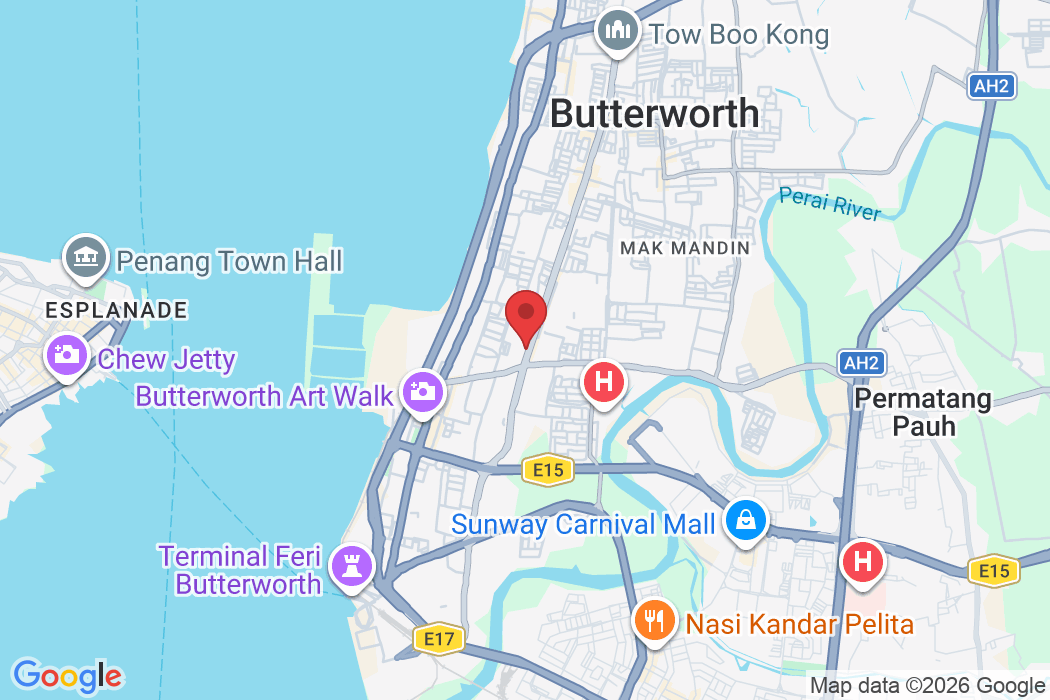
Address: No. 29-1 & 31-1 & 33-1, Jalan Raja Uda, Pusat Perniagaan Raja Uda, 12300 Butterworth, Pulau Pinang.
Phone: +604 - 313 7197


